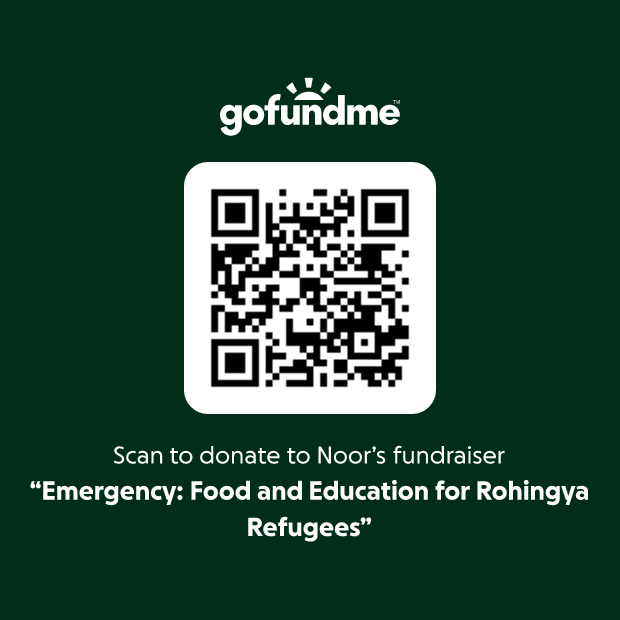
Help Rohingya Muslims Today!

The Rohingya Genocide
The UN describes the situation for Rohingya Muslims in Myanmar as a “textbook example of ethnic cleansing”. The Rohingyas are a marginalized ethnic group that are native to Myanmar. The group of around a million mainly reside in the Rakhine state where they have their own language and traditions. (BBC)
However, in the Buddhist majority country, they have been scrutinized by the government and military since World War 2. Despite living there for centuries, they have not been seen as citizens, rather illegal immigrants from Bangladesh since the 1982 Citizenship Law and are considered stateless. (Human Rights Watch)
They have been targeted with violence and ruthless attacks for decades from the government. Operations such as Dragon King in 1978 displaced 20,000 Rohingyas which was the start of the many displacements to come. (Vox) In 2017, an exodus occurred after the militant group Arkana Rohingya Salvation Army, also known as ARSA, violently attacked around 30 police posts. (BBC) The military retaliated by torturing civilians , burning villages, and raping women and children which forced around 600,000 to flee and the death of 400. (Amnesty International)
Rohingya refugees flee to countries such as Bangladesh, Malaysia, and Indonesia. The journey to these countries is perilous and deadly where one out of eight refugees either die or go missing. (UNHCR) Moreover, those who go to Bangladesh often find themselves in refugee camps such as Kutupalong in the Cox-Bazar state. The Kutupalong camp is described by the UNHCR as the largest refugee camp in the world with over a million civilians. The camp relies on humanitarian assistance and resources, especially during monsoon season, where those inside have limited freedom and rights. They also have to constantly live in fear where peace in Bangladesh for them is not promised either. Victims who try to speak out about the ethnic cleansing are persecuted by the Myanmar government and are forced to repatriate. For Rohingyas, repatriation does not mean safety, rather endless torture or death.
Despite the overwhelming evidence and multiple human rights investigations, Myanmar's de facto leader and Nobel Peace Prize winner, Aung San Suu Kyi, denies the discrimination and violence the minority face. However, countries around the world, including the United States, have acknowledged the ongoing Rohingya genocide. Rohingyas continue to face constant threats or violence and harm, however the people remain resilient and strong.
Sources:
https://www.hrw.org/tag/rohingya
https://www.bbc.com/news/world-asia-41566561
https://www.unrefugees.org/news/rohingya-refugee-crisis-explained/#RohingyainBangladesh
https://www.youtube.com/watch?v=04axDDRVy_o
https://www.arcgis.com/apps/dashboards/e8a1cf4d5bcb47bc83d8af9ed4d46263
https://www.youtube.com/watch?v=AnHizRC6S8U